
Access, foundation condition, unloading position and lifting plan are confirmed before the truck moves.
Factory-to-site coordination
Plan the site before the timber arrives.
Practical guidance for contractors and installation teams covering delivery access, unloading, foundations, lifting, temporary storage, receiving and assembly coordination for ERGIO timber systems.
Factory releaseTransport coordinationSite readinessAssembly sequence
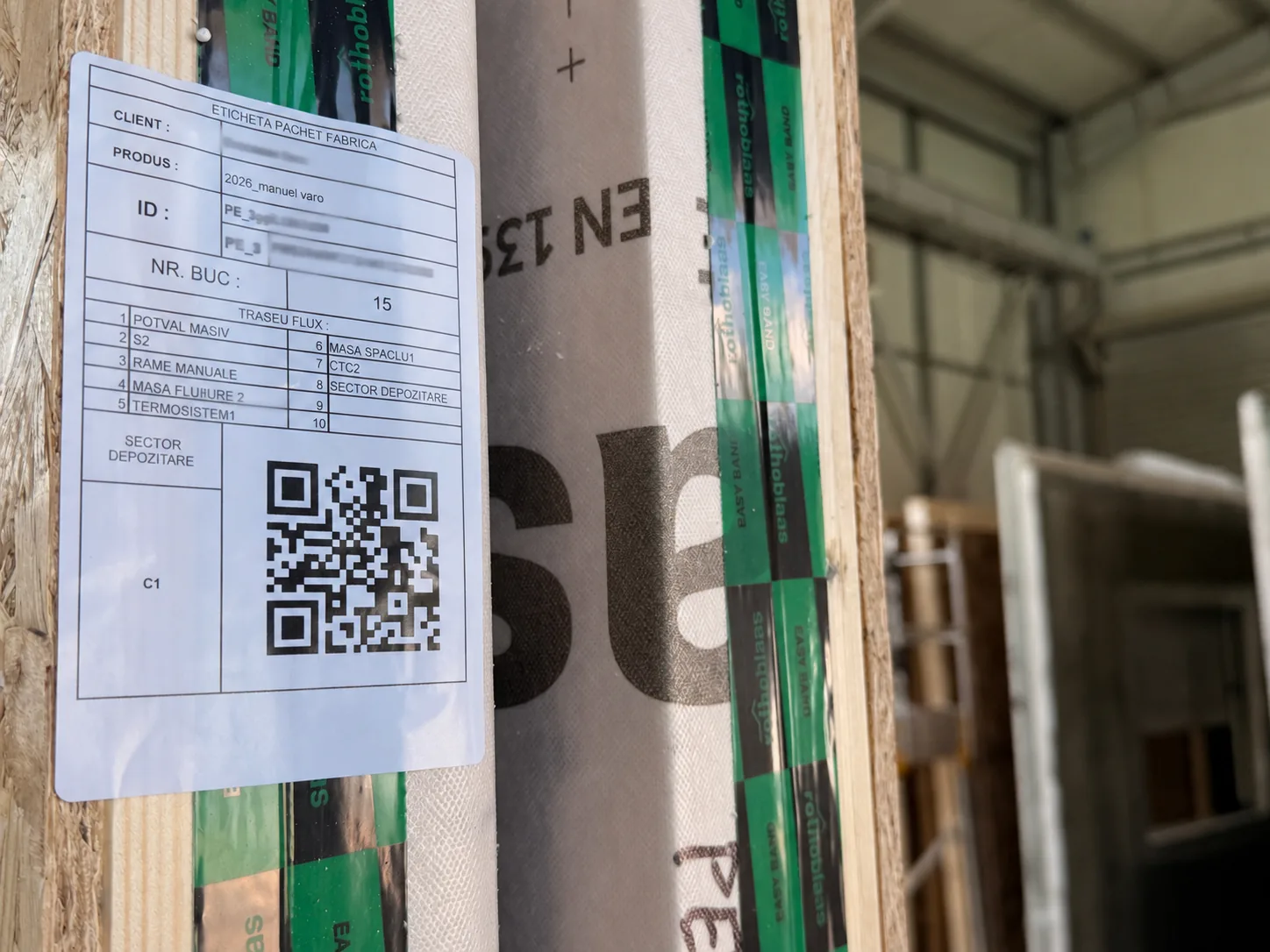
Identification and packing support receiving, staging and the intended erection sequence.
The most efficient workflow is delivery, unloading and installation as one coordinated site operation.
Issued drawings, weights, connection details and contractual scope take precedence over general guidance.
Factory-to-site coordination
Delivery is part of the production logic.
A prefabricated timber kit performs best when the site is prepared around the same sequence used to identify, pack and dispatch it. Logistics therefore starts before production release—not when the first truck reaches the gate.
ERGIO coordinates package information, component identity and project delivery data within the agreed scope. The client confirms the site conditions needed to receive, unload and install those packages safely and efficiently.
Preferred operating modelUnload directly into the planned assembly sequence whenever site conditions and programme allow.

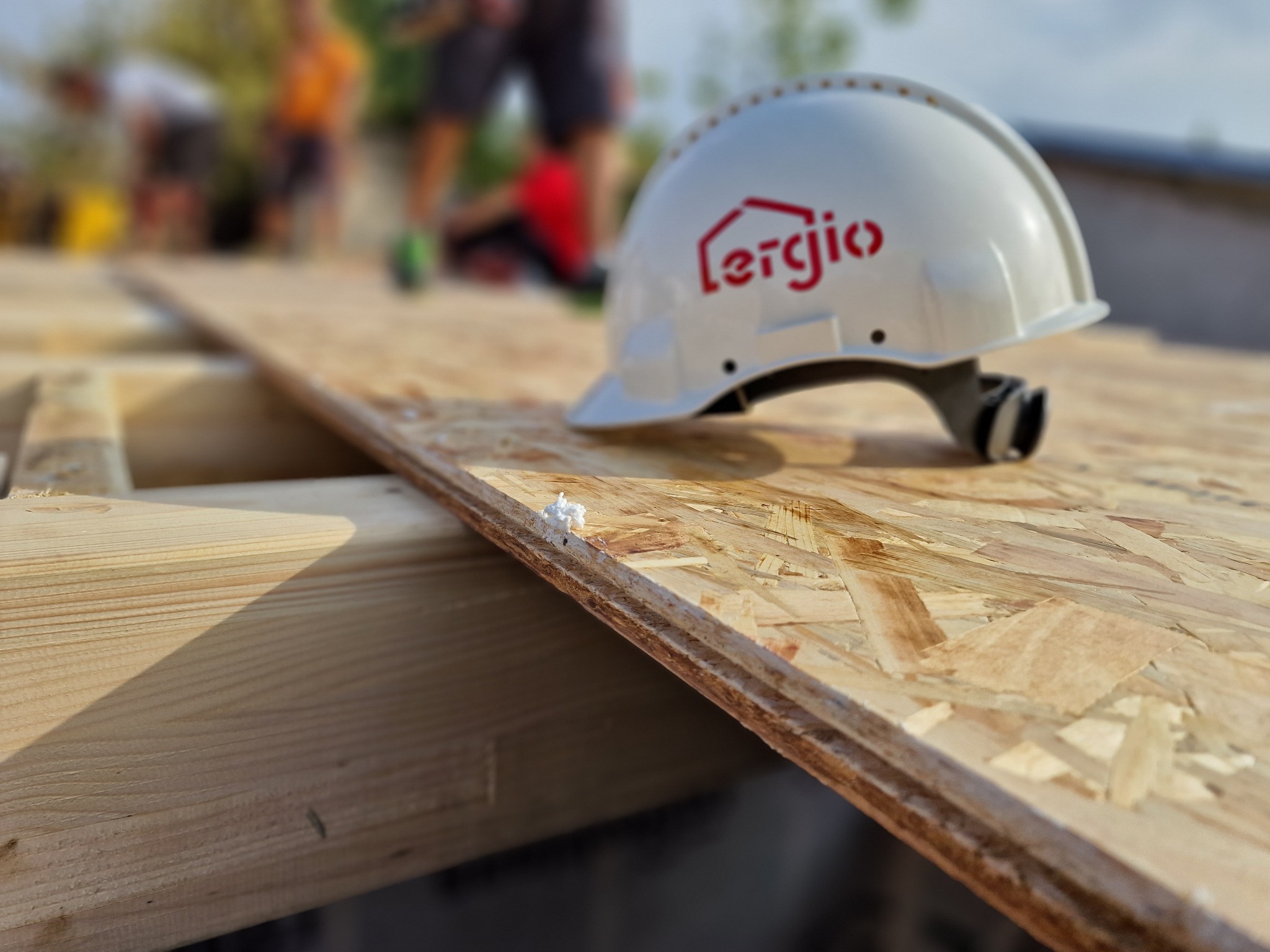
Factory → siteSequence before speed.
Delivery sequence
Six decisions should already be clear before arrival.
Final timings, vehicle configuration, element weights and lifting requirements are project-specific. The sequence below defines the operating logic used to prepare the site.
Release
Production and project information are frozen for the delivery batch.
Load plan
Packages and components are organised around the agreed delivery and erection logic.
Access
The client confirms vehicle route, gate width, turning space, overhead clearance and unloading position.
Unload
The client provides the unloading area, crane or handling equipment and qualified operators.
Stage
Packages are placed where identification remains visible and the planned sequence can be maintained.
Assemble
Installation follows issued drawings, component references and approved connection details.
Site readiness
Three site conditions control the first hours of assembly.
Access, foundation readiness and lifting capacity are separate responsibilities, but they need to be coordinated as one operation before delivery.
The truck needs a complete route in and out.
- Suitable road, gate width and turning area
- Height restrictions, branches and overhead lines checked
- Ground suitable for the delivery vehicle
- Agreed unloading position kept clear
Timber precision begins at the supporting structure.
- Foundation geometry checked by the client before delivery
- Maximum permitted level difference follows the issued project drawings
- Reference lines and interfaces accessible for installation
- Any deviation affecting assembly resolved before the kit arrives
Crane capacity is selected from real loads and real reach.
- Element and package weights issued for project planning
- Crane position and ground bearing conditions confirmed by the site team
- Operator, chains, slings, shackles and spreaders provided by the client / crane contractor
- Controlled lifting zone maintained during installation

Foundation release
Do not use the timber package to compensate for an unverified base.
The supporting structure must match the project information before assembly begins. Where discrepancies are found, they should be reviewed and resolved before installation rather than corrected through improvised modifications to timber components.
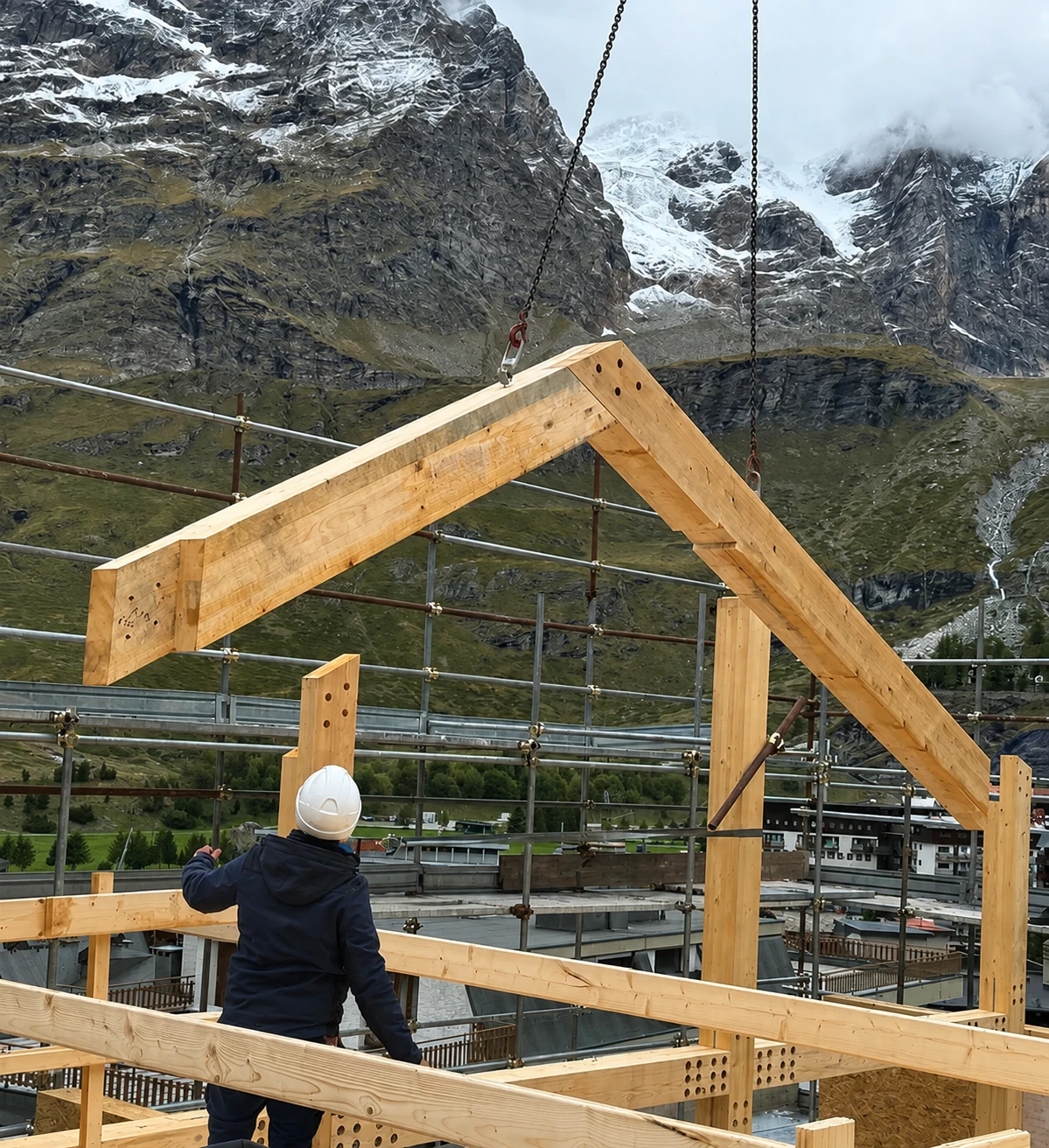
Unload → stage → liftKeep the installation path clear.
Unloading & lifting
The site team controls the lifting operation.
Even when ERGIO organises transport, unloading remains a site responsibility unless the contract explicitly states otherwise. The client and crane contractor select the lifting equipment, operator and operating position.
ERGIO-supplied lifting carabiners remain with the client after delivery.
All lifting operations remain subject to the site safety plan and equipment instructions.
Temporary storage
Best practice is delivery followed by assembly.
When immediate installation is not possible, packages can be held temporarily on site if their supports, wrapping and handling condition are maintained.
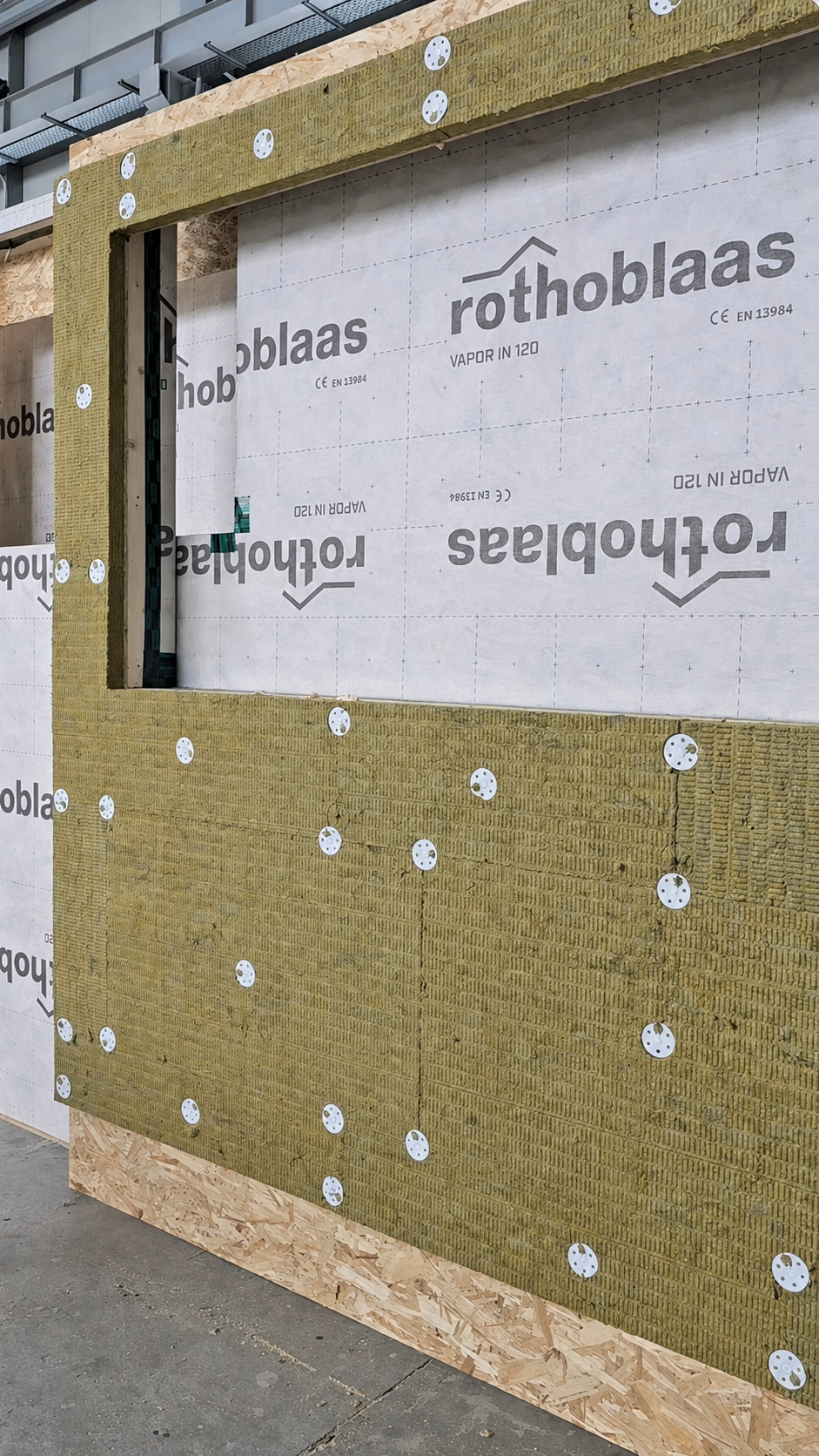
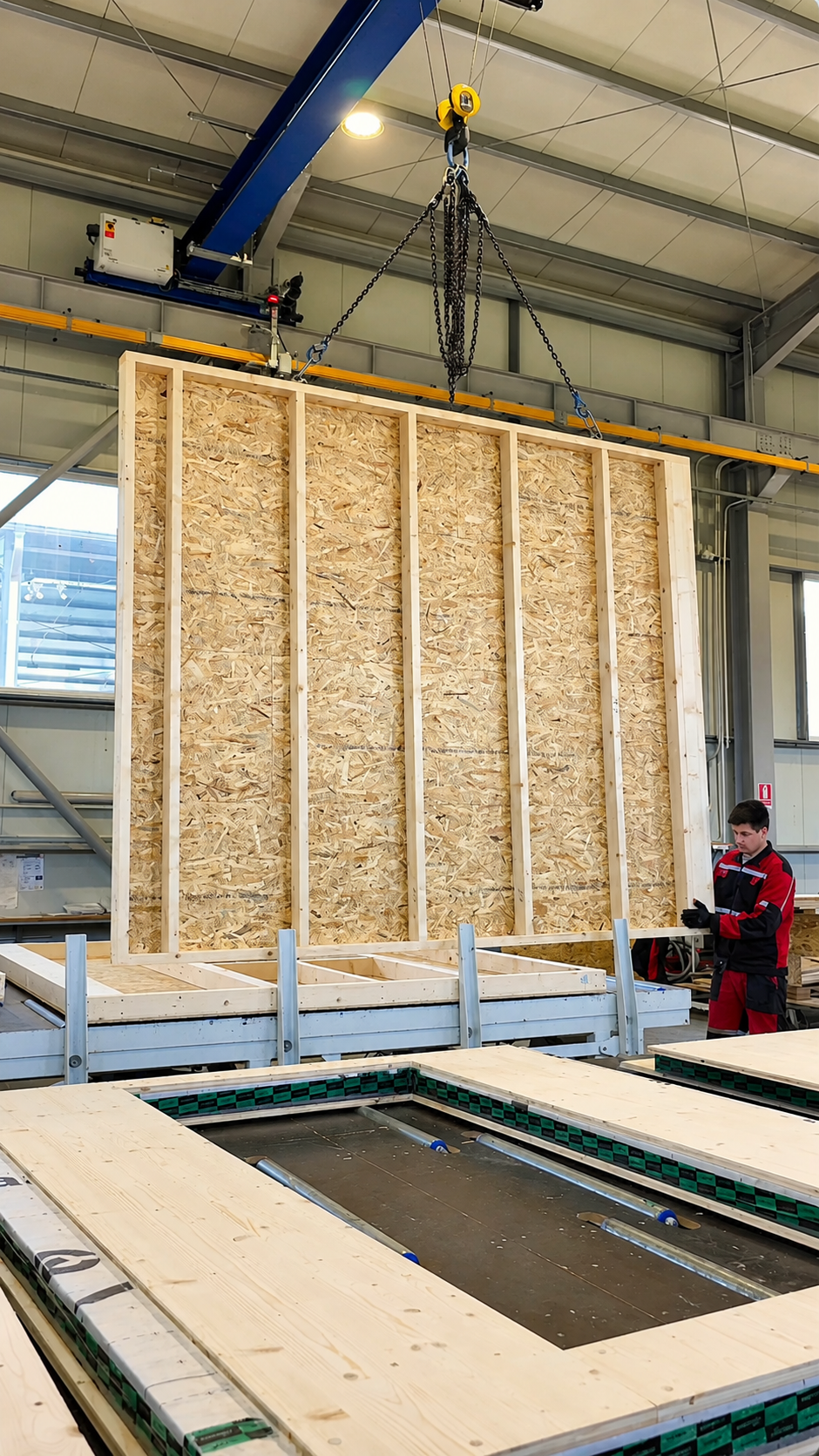
Keep supplied supports.
Leave packages on their purpose-built pallets or supports and maintain package geometry.
Keep them out of standing water.
Store on a stable, drained area and protect wrapping from puncture or uncontrolled site traffic.
Do not stack wall-panel packages.
Other package types may only be stacked where their packaging configuration is designed for it.
Protect visible timber.
Keep finished faces and machined edges clean; do not drag structural members on the ground.
Preserve sequence.
Avoid opening multiple packages in ways that destroy the planned assembly order or component identity.
Packaging remains on site.
Pallets and packaging remain with the client for appropriate disposal or recycling after installation.
Receiving & traceability
Inspect before signing. Identify before opening.
Delivery documentation and package identity provide the link between transport, site receiving and the issued project drawings. Visible damage should be documented before the transport documents are signed.
01
Visual inspection — inspect packaging and visible components while the shipment is still being received.
02
Record transport damage — note visible damage on the delivery note / CMR and take clear photographs.
03
Use component identity — report the package or component reference together with overall and detail photographs.
04
Hold affected components — do not install a visibly damaged structural element before technical review.
Scope interface
Clear responsibility prevents delays at the gate.
The commercial contract remains the governing document. This matrix shows the standard planning split used for ERGIO deliveries.
ActivityERGIOClient / site team
Package identification & project packing dataIncluded within the project delivery workflowUse information to receive, stage and assemble
TransportCan be organised when included in scopeConfirm access, timing and unloading position
UnloadingDelivery information and package dataProvide unloading operation, equipment and personnel
Crane & certified lifting equipmentIssue project weight information and ERGIO lifting carabinersSelect crane, position, operator, slings, chains, shackles and spreaders
Foundation readinessIssue project interface informationVerify geometry, level and readiness before delivery
Connectors & installation fixingsSupplied where defined as part of the ERGIO kitInstall according to issued project details
AssemblyAvailable as a contracted service or technical support optionWhen self-installed, provide site labour, tools, safety and compliance with issued details
System-specific handling
One logistics logic. Different handling priorities.
The same readiness principles apply across ERGIO systems, while geometry, surface quality and assembly sequence change the way each package should be handled.
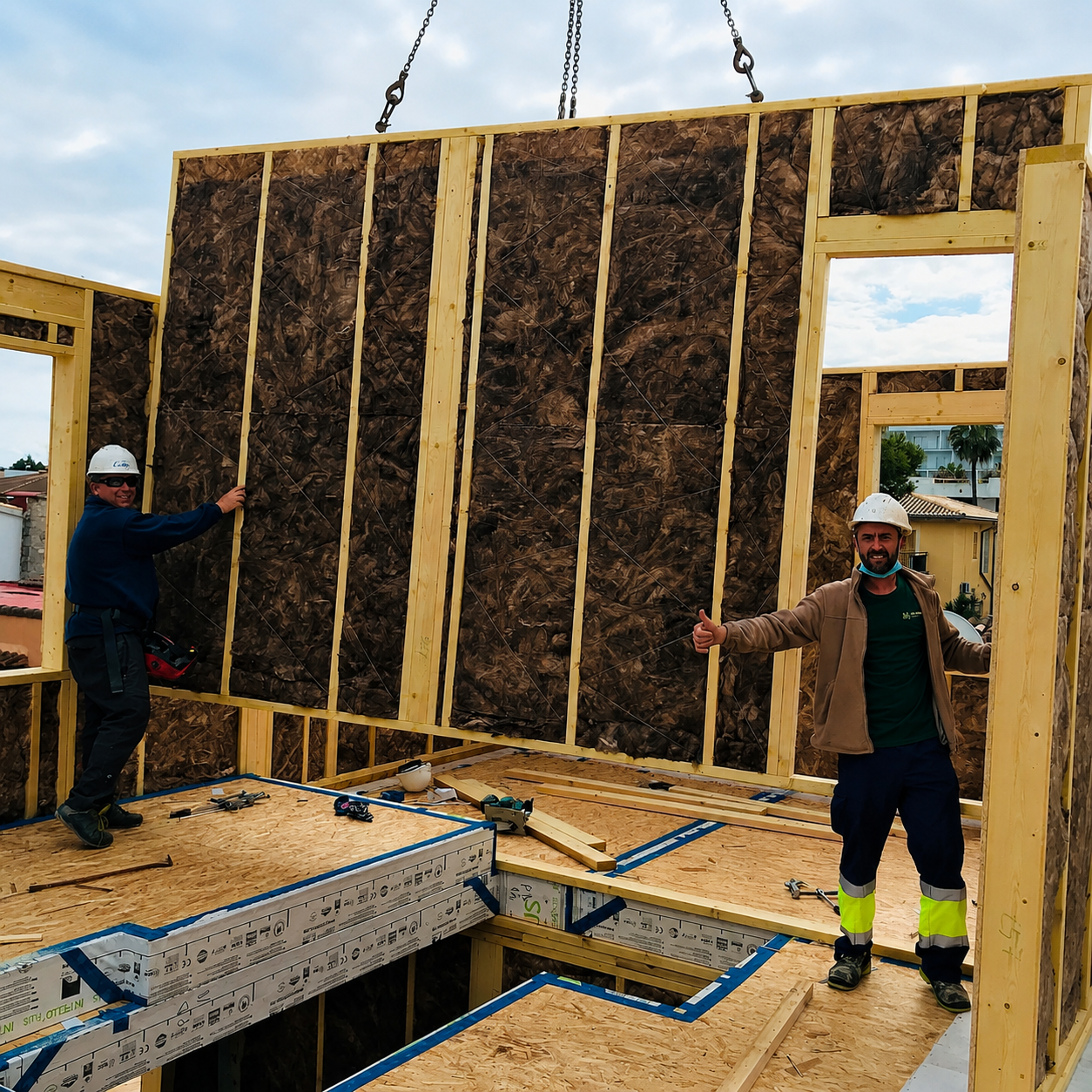
01 · Timber Frame
Panels
- Keep panel identification visible until positioning
- Wall-panel packages remain unstacked
- Use project-defined lifting points and weights
- Stage packages around the planned erection sequence
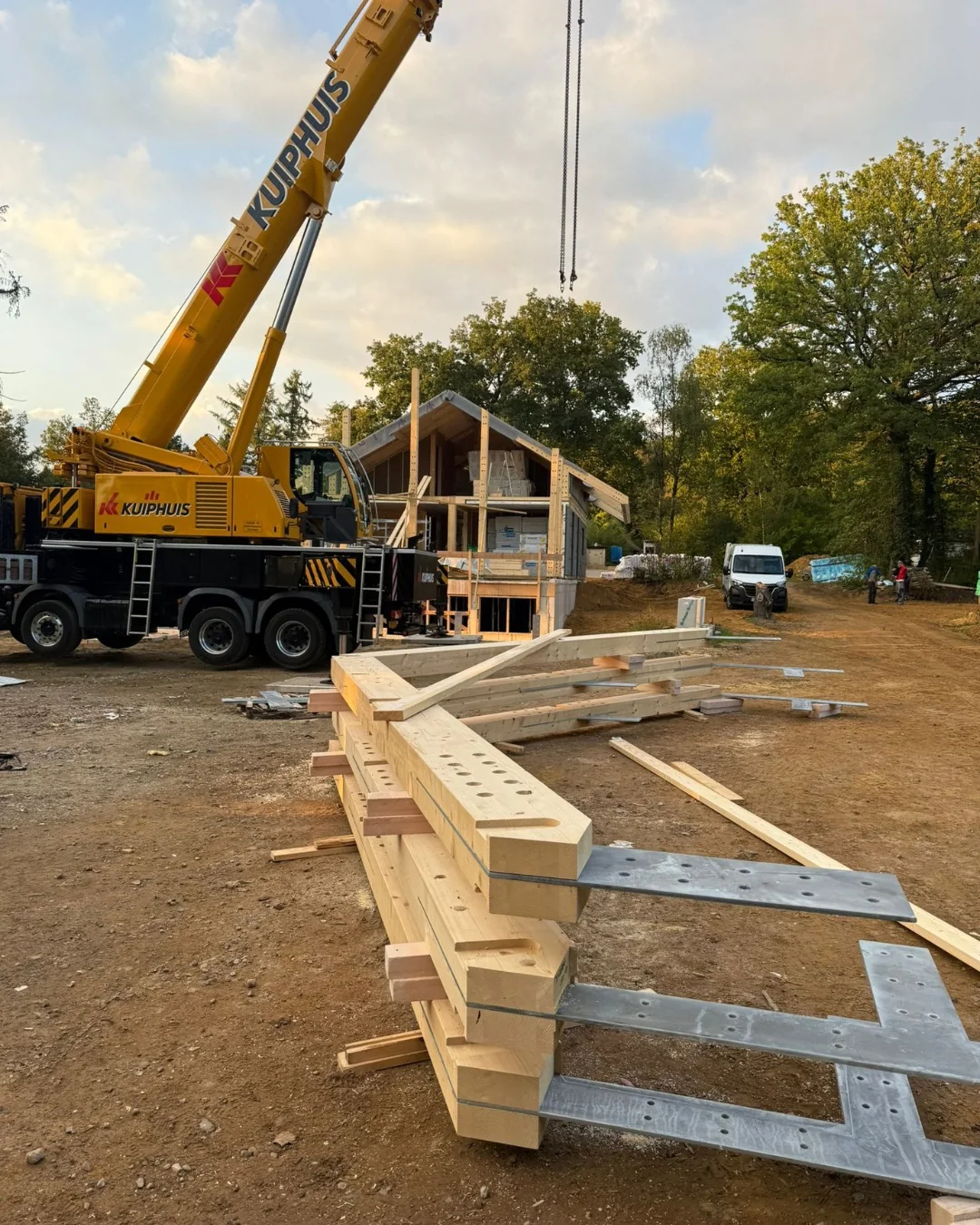
02 · Post & Beam
Long & visible members
- Protect finished faces and machined edges
- Avoid dragging and point impact
- Use clean lifting accessories appropriate to geometry
- Stage members so connection sequence remains practical
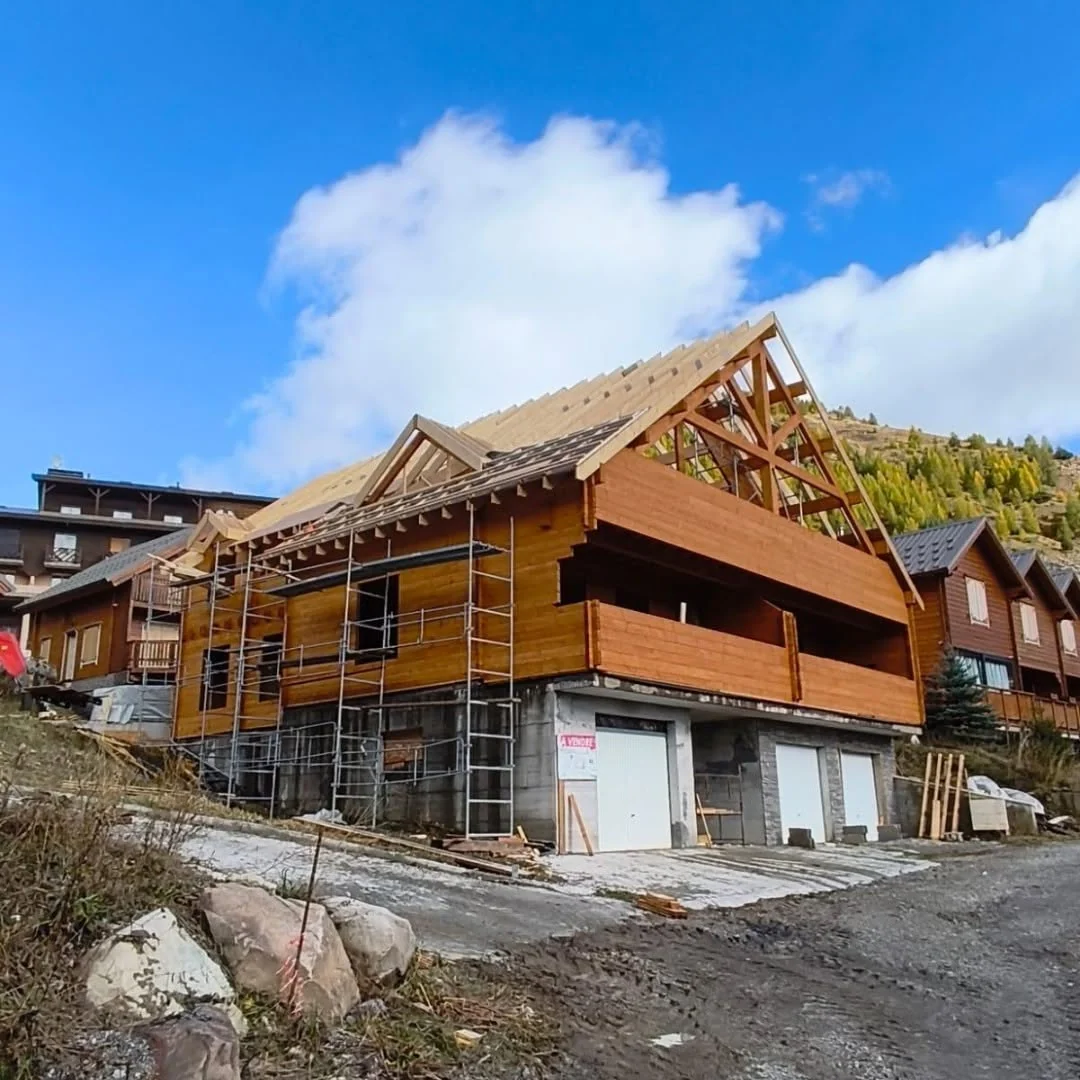
03 · Log House
Sequenced profiles
- Keep numbered elements linked to assembly drawings
- Preserve package and course sequence
- Protect machined interfaces from dirt and damage
- Open packages progressively as assembly advances
Site change control
Do not improvise structural modifications on site.
Any cutting, drilling, routing, relocation, removal or connector substitution affecting a structural component must be technically reviewed before work is carried out.
Required before modificationWritten technical approval from ERGIO and/or the responsible structural designer.
Where installation is performed by the client or another contractor, compliance with the issued assembly drawings, structural details and approved connection solutions remains essential.
Information with the kit
The installation team should be able to trace the route from truck to final position.
The exact document set depends on system and scope. Project-specific drawings and contractual documents always take precedence over this general resource.
Assembly drawings
Issued project geometry, component references, connection logic and positioning information.
Package identity
Labels and references connect physical packages to the project documentation and receiving sequence.
Weight & lifting data
Project information supports crane selection and lifting preparation before delivery.
Technical support
Remote or on-site assistance can be provided where included in the agreed project scope.
Before dispatch
Coordinate the site around the delivery batch.
Confirm access, unloading, foundation readiness, crane planning and any installation support with the ERGIO project team before the shipment is released.